


Real estate and the Breton language: are development initiatives taking root?
- Roland Chevallier

- 8 sept. 2025
- 4 min de lecture
Brittany, with its rich cultural and linguistic heritage, is fertile ground for innovative real estate initiatives. Among the constituent elements of this identity, the Breton language occupies a central place. However, the question arises: how can the Breton language be promoted in the real estate sector, and what impact do these initiatives have on the valuation of real estate and the local market? This article examines the emergence of real estate projects incorporating the Breton language, their impact on the sector, and the challenges they face.
The importance of Breton as cultural heritage
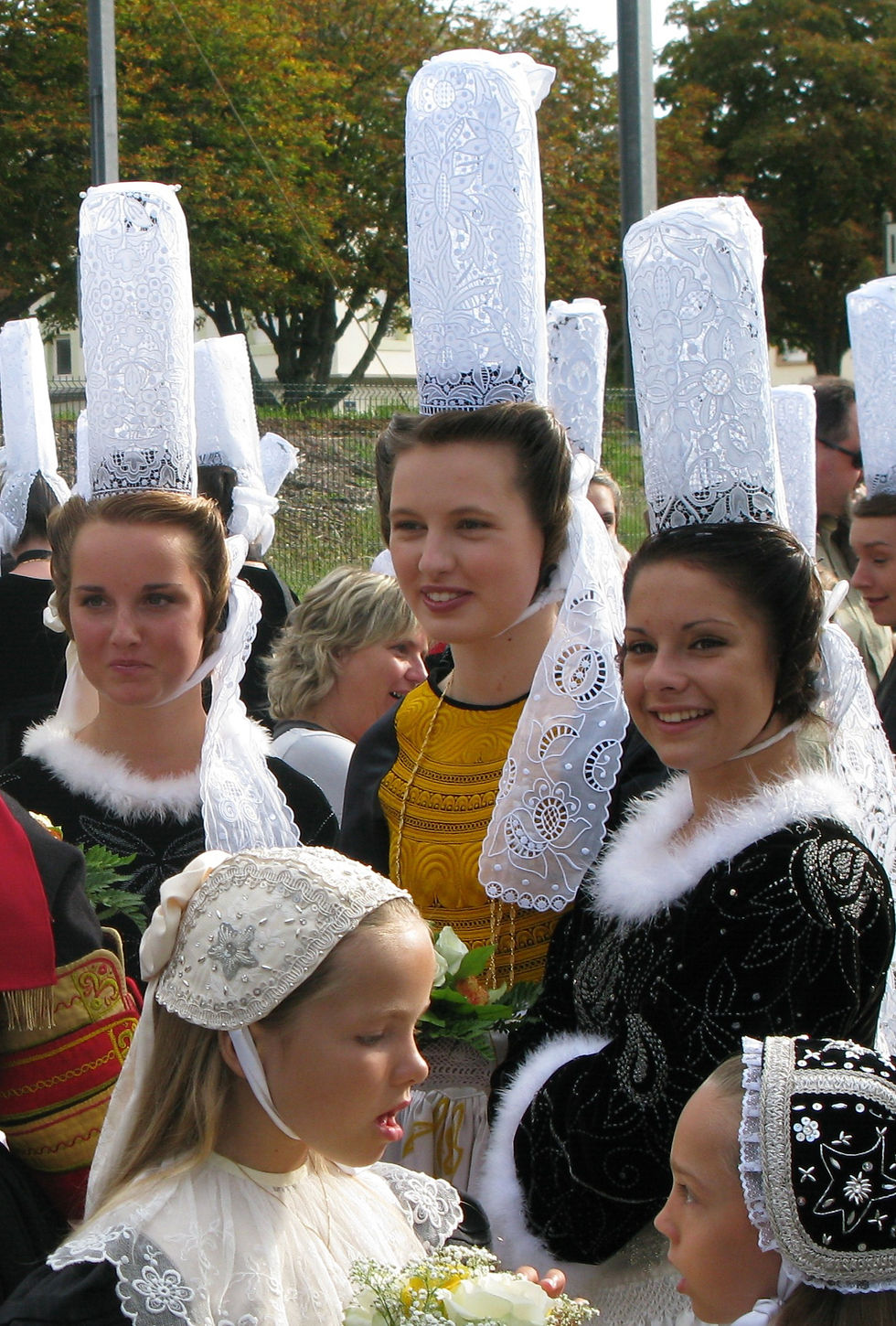
The Breton language, traditionally spoken in Brittany, is an essential marker of regional identity. Its preservation has been at the heart of public policy in recent decades, with notable efforts to revitalize its use, both in schools and through the media and culture. This phenomenon has led to a renewed interest in the Breton language and culture, particularly in the real estate sector.
Initiatives to promote the Breton language thus aim to strengthen this cultural bond within the community. More and more public and private stakeholders are recognizing the importance of the Breton language, not only as a living heritage, but also as a cultural and economic asset. Real estate, the sector par excellence of urban development and regional planning, plays a key role in transmitting this identity.
Real estate initiatives that integrate the Breton language
In the real estate sector, the integration of the Breton language takes several forms, starting from the design phase of projects. One of the first initiatives concerns the use of the Breton language in toponymy, that is, the naming of new neighborhoods, streets, or buildings. These toponymic choices, which often bear traditional Breton names, strengthen the connection with local history and encourage residents to identify with their cultural environment.
Many modern real estate projects have thus chosen to name their new constructions or developments after Breton terms, contributing to increased visibility of the language in the urban landscape.
Besides toponymy, real estate companies also adopt a

bilingualism policy in their communication materials. The writing of real estate advertisements, brochures, and even signage on construction sites are sometimes translated into Breton, in order to reach a clientele concerned with preserving and promoting the language. This also helps meet the expectations of Breton residents who see this approach as a sign of respect for their culture.
Labels and certifications related to the Breton language are also growing. For example, some municipalities award labels such as "Bilingual Brittany" to real estate projects that respect the use of the language in public communications or spatial planning. This type of recognition, while still marginal, could eventually become a sought-after criterion for some buyers or tenants.
Finally, the Breton language sometimes influences spatial planning. Real estate projects in rural or peripheral areas highlight Breton culture through architectural or landscaping elements inspired by local traditions. This integration of Breton identity into urban planning can enhance the appeal of certain sites while highlighting the regional roots of the projects.
Impacts on the real estate market
The integration of the Breton language into the real estate sector has significant repercussions on the local market. First and foremost, it represents a differentiating factor for real estate companies. In a market where location, aesthetics, and authenticity are increasingly sought after, the cultural roots of a real estate project can become a major asset. Buyers and investors are often sensitive to the local dimension and symbolic value of such an approach.
Furthermore, this appreciation can have a direct impact on the value of real estate. Neighborhoods where the Breton language is promoted can thus experience an increase in attractiveness, especially among local residents or people attached to Breton culture. In some cases, this can even influence the demand for housing, as these neighborhoods are perceived as more authentic or respectful of regional identity.
Investors are also beginning to see these projects as an opportunity. Considering Brittany's growing tourist appeal, it's possible that some real estate projects using the Breton language as a marketing tool could have interesting prospects. This could ultimately attract customers looking to settle in a place that combines modernity and tradition, open to the future while preserving a strong connection to the past.
The challenges and limitations of these initiatives
However, integrating the Breton language into real estate also presents challenges. The first is the lack of speakers. While the Breton language receives special attention in some areas, the actual population of speakers is still relatively small. This can limit the impact of these initiatives, especially in areas where Breton is not widely spoken.
Furthermore, the real estate sector, often focused on economic profitability, can face dilemmas when it comes to integrating a cultural dimension into a project. The commercial aspect of initiatives to promote Breton could risk diverting attention from cultural authenticity, leading to a kind of "folklorization" of the language. The real question remains whether these approaches are authentic or purely opportunistic.
Finally, the profitability of such real estate projects remains a subject of debate. While some investors see promoting the Breton language as an opportunity to differentiate themselves, others fear that it will remain a niche, failing to reach a wide audience or generate long-term returns on investment.
In conclusion, initiatives to promote the Breton language in the real estate sector represent an interesting development in the way urban spaces are designed and developed in Brittany. While they have been a real success in terms of visibility and identity, they nevertheless face challenges related to the effective use of the language, as well as the economic imperatives of real estate projects.
In the future, these initiatives could become more widespread, contributing to a stronger integration of Breton culture into urban projects, while maintaining a balance between the authentic preservation of this language and the economic viability of real estate projects. Real estate, as a key sector of regional planning, could thus play a central role in the revitalization and dissemination of the Breton language, reconciling modern development and respect for traditions.